









The United Kingdom has had a lottery since 1694, when the state first authorized the Million Lottery (1694) and then the Malt Lottery (1697). These Lotteries were part of a series of financial experiments by the English government including recoinage and the foundation of the Bank of England to raise the capital available to the state. The modern era began 300 years later.
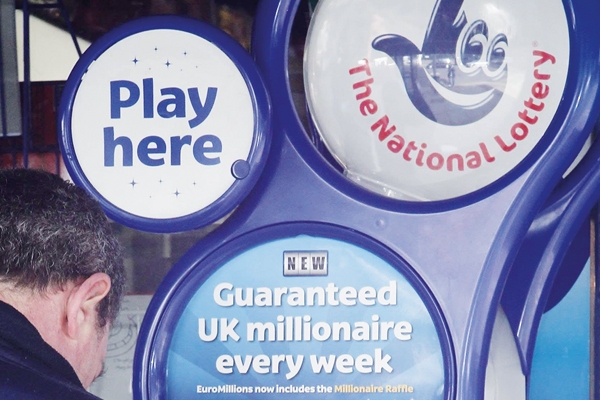
The UK National Lottery was launched on 14 November 1994 and the first draw took place five days later. The Camelot company – owned by Cadbury Schweppes, bank note printer De La Rue, telecoms group Racal, US computer company GTech and British computer firm ICL – beat off seven other contenders for the first tender. On December 19, 2000, the link was extended for another seven years. Also, on February 1, 2009 the third license comes into force, for a period of 10 years.
On 25 March 2010 the five shareholders in Camelot (Cadbury Schweppes, Royal Mail Enterprises, De La Rue, Fujitsu Services and Thales Electronics) announced that they had agreed to sell their shareholdings to the Ontario Teachers Pension Plan (OTPP). This agreement was subject to regulatory approval from the National Lottery Commission whose consent was required before the sale could be completed. The operation was confirmed a few months later.
According to official data, since 1994 the National Lottery has become an institution within the UK, raising over £ 40 billion for good causes and paying out over £ 59 billion in prizes. In November 2019, National Lottery operator Camelot UK has celebrated its 25th year in operations by recording a 13.5% growth in the total number of National Lottery tickets sold over the first half of its 2019/20 financial year. Among many game options, National Lottery games consists of draw-based games such as Lotto and EuroMillions, scratchcards with prices ranging between £ 1 to £ 5, and online interactive instant win games, which can range from 25p to £ 10.
The average breakdown for every £1 of ticket sales in 2018/19 was: 56% paid to winners in prizes; 22% given to good causes; 12% to the government in lottery duty; 4% paid to National Lottery retailers on tickets sold; 6% retained by the operator to meet costs and returns to shareholders. Publishing figures for the period 1 April to 28 September 2019, the lottery operator generated £ 876.8m (excluding investment returns) for Good Causes, £ 83.6m more than in the first half of 2018/19.
Over the same period, Camelot also awarded £ 2,238.4m in prizes to players, (+ £ 265.3m than 2018). The group celebrated its contribution to more than 565,000 individual projects. But the structure of the current lottery has different characteristics from that of yesteryear. The company identified its growth across its digital platforms as a key driver of growth for the group, recording record online sales of £ 1,164.1m (up £ 332.7m) breaking the £ 1bn mark for the first time for the half-year. Mobile sales now account for 65% of sales for the lottery operator, with Camelot noting a growth of £ 317.4m over the period with figures hitting an all-time high of £ 749m. Meanwhile, draw-based games increased by £ 300.3m to £ 2,261m.
THE 2020 TENDER
The UK National Lottery was always a very valuable commercial objective in the gaming industry, as well as a challenge for operators throughout the world. The 2020 license is a very important point on the kingdom’s agenda. In fact, the list of names and companies as applicants began at the end of 2019. But also Camelot will have to compete against external factors.
In December 2017, Meg Hillier, the chair of the public accounts committee, questioned whether Camelot was operating within the National Lottery Act. Camelot’s accounts show that lottery sales increased by 27% (£ 1.5bn) to £ 6.9bn, between 2009- 10 and 2016-17. Over the same period,, returns for good causes increased by 2% to £ 1.5bn and Camelot’s profit attributable to its shareholders increased by 122% (£ 39m) to £ 71m.
The National Audit Office (NAO) report shows that income for good causes fell to £ 1.63bn at the same time as three of the six largest Lottery distributors increased their grant commitments by a total of £ 88m.The drop in money for good causes came as Lottery sales fell by 9% to £ 6.93bn compared to the previous year.
Camelot’s argument was immediate. «While we will continue to face economic uncertainty and growing competition from the gambling and lottery sectors in general, and although there is still a great deal of work to be done, I am delighted with the fundamentals that we have established and the initiatives that we have already implemented are paying off,» Chief Executive Nigel Railton said. Neil McArthur, executive director of the United Kingdom Gaming Commission (UKGC), said: “Making sure that returns to good causes are maximized is a priority for us as a regulator. This will remain a priority as we look to the future. »
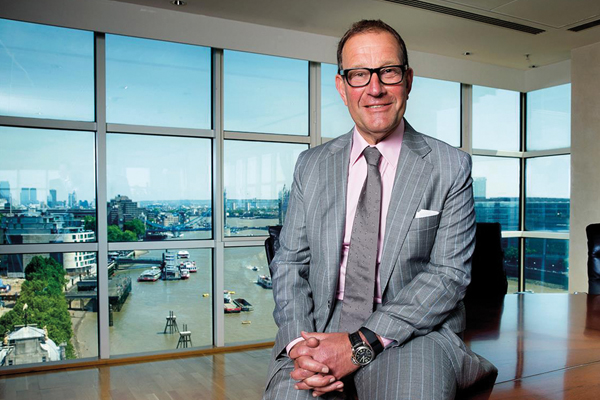
Sir Richard Branson – founder and chairman of Virgin -would enter UKGC proceedings by launching his third attempt to secure the National Lottery. Its 1994 registered trademark dates back strongly today. ‘People’s Lottery’ campaign promising to ‘return all profits to charity’. But it did not transcend at the time of decisions. The People’s Lottery bid would be declined by the Major Conservative government, who would back the formation of a ‘Camelot operating vehicle’ formed by ICL, Racal Electronics, Cadbury Schweppes and De La Rue in partnership with GTech as lead lottery systems supplier.
In 2000 the story seemed different, but it had the same ending. Branson would contest the National Lottery’s second tender by re-launching the ‘People’s Lottery’ bid, this time re-energized by the support of Compaq Microsoft and Kellogg’s. However, an acrimonious bid against Camelot would be rejected by the Blair Labor government, which in its review underlined that the People’s Lottery had failed to demonstrate the hardware capacity capable of running a national lottery retail network – a factor Branson deemed as foul play by Camelot backers.
The concept of «National Lottery for the British» is expressed more emphatically in Former Daily Express owner Richard Desmond, whose Northern & Shell media group runs The Health Lottery, who also confirmed that he is aiming to take over the license for The National Lottery. A spokesman for Desmond said The National Lottery had ‘lost its way’ under Camelot and it should be taken ‘back into British hands’.
But the tender will not only be reserved for local players. SAZKA Group Chief Executive Robert Chvátal has confirmed that the gambling conglomerate will launch an official 2020 bid competing to win the UK’s fourth National Lottery contract starting in 2023. “Next year we are preparing a tender for The National Lottery, and this is a very interesting opportunity for us, ”he said. “We want to try to be the operator of the UK’s prestigious lottery. Moreover, Britain is the cradle of betting, and it is one of the largest markets in Europe. ”
«Brexit is not a problem,» said the leader of the company that grows by giant steps. Significant corporate changes in 2019 saw SAZKA split its holdings by taking full control of SAZKA’s gaming properties and investments by Czech billionaire Karel Komarek Jr’s KKCG private equity fund.
Another of the important references to apply in the tender is Française des Jeux (FDJ). FDJ was privatized in 2018 after the French Assembly voted to allow French President Emmanuel Macron’s In March party to sell its 72% share in the operator. Investment bank Rothschild is one of four strategic advisors appointed by the UKGC to support the 2020 tender’s framework and bidding process, working in partnership with management consultancy Deloitte, auditor EY and law firm Hogan Lovell.

PRIVATIZATION IN FRANCE
An initial public offering (IPO) refers to the process of offering shares of a private corporation to the public in a new stock issuance. That day is the most anticipated for any company that moves to the stock market. Meanwhile, by the measure of President Emmanuel Macron to privatize the Française des Jeux, November 21, 2019 was a very important day for an entire country. FDJ was set up in 1993 as a national lottery to aid soldiers during The First World War. That patriotic sentiment moved to the more than 500,000 French who said they invest in one of the local flags. In November 2018, for the public budget it meant an income of € 2 billion (£ 1.71 billion).
In the first nine months of 2019, FDJ’s latest financial report card shows the company’s net gaming sales growing 7% to just over € 1,42b. Meanwhile, the first quarter of the year was 8.1% better compared to the same period of 2018. France’s private casino operators expressed concern about the reluctance of the government to explain that FDJ’s 30k retail outlets would be allowed to add slot machines following their privatization. The government was also coy on rumors that the digital operations of FDJ will be allowed to offer online casino products someday. French-licensed online gambling providers are currently limited to sporting and racing wagers, as well as to poker tournaments and cash plays, but virtual slots and tables remain unrestricted, for now at least. Half of the French population played FDJ games at least once a year. In 2018, the French spent a record €16 billion (£13.7 billion) on FDJ, an increase of one-third over four years.
But the structure of the lottery in France is not only financial, but also from regulation. As part of its recent privatization, FDJ underwent a number of tax and regulatory changes, including the discontinuation of the “counterparty fund” system, a form of insurance offered by the government which allowed FDJ to keep a portion of its gaming levies as a guarantee fund that could be used in the extremely unlikely event of a high payout.
FDJ said that the reform was part of a broader process of clarifying the relationship between the government and the company following the state’s recent equity stake reduction. The contract has been drawn up by global insurance broker Marsh and provides annual coverage of up to €150m, although under French regulations enacted earlier this year, the maximum amount payable per event will be capped at €100m from 1 January, with a €6m excess.
There is a state policy that will remain intact: support for sport and social events within the country. In 2019 FDJ have announced they will become an official partner of the Paris 2024 Olympic and Paralympic Games. From second quarter of 2020 and will aim to bring everyone together to celebrate the Olympics, with 30,000 points of sale all over France. It will hold a new licensed lottery program from 2020 to 2024, consisting of games that will be expanded as the event develops. FDJ had been the first company to actively support the Paris 2024 bid, launching a temporary instant game for the occasion.
GREECE: OPAP GROWS, BUT WITHOUT SPORTS BETTING
OPAP, founded in 1958 as the country’s national lottery and listed in the Athens Exchange in 2001, is the exclusive licensed operator of all numerical lotteries (7 games). It also operates exclusively, as a controlling shareholder (67%) through a joint venture, the passive lotteries and instant (scratch) games in Greece. Since the Initial Public Offering (IPO) there was a series of secondary offerings in 2002, 2003 and 2005 when the Hellenic Republic gradually reduced its participation to the Company’s share capital. Finally, since Q4 2013 the company, through an international tender, became fully privatized, a fact that provided the momentum needed to ensure its future development and competitiveness on an international level.
Until September 2019, he also had control of sports betting. In May of 2014, the Hellenic Gaming Commission (EEEP) allowed OPAP to launch online sports betting. However, Goalbet – one of 24 operators granted a temporary license in 2011 that was later revoked – argued that OPAP had never been asked to meet the conditions necessary for a Greek online sports betting license, and their license was therefore void. The loss of the license, whether temporary or permanent, is not expected to have a major impact on the operator’s sports betting revenue, which remains dominated by OPAP’s retail offering. For the six months to 30 June 2019, sports betting revenue was down 5.2% at € 191.9m, with Pame Stoixima’s (OPAP online sports betting brand) contribution flat year-on-year.
While the company worked to meet the requirements of the new regulation, everything was going the right way. In fact, in October, Czech lottery group Sazka Group increased its stake in OPAP to almost 40% after the completion of an offer period during which it attempted to acquire all of OPAP’s outstanding shares. This was as a consequence that OPAP registered the best first quarter in the decade, with an annual growth of 5.0% in revenues to 396 million euros. In addition, net earnings increased 43.5% to EUR 57.2 million.
For the 3Q reported revenue of € 393.6m (£ 335.2m / $ 433.5m), at 6.7% year-on-year increase. OPAP’s € 393.6m in revenue came on € 1.08bn worth of wagers, to 3.4% increase from 2018. After paying € 188.5m in GGR contributions and other levies and duties, OPAP was left with net gaming revenue of € 265.1m, up 7.1 %. The operator paid € 93.6m in agents ’commissions and € 16.8m, 43.9% more than in 2018, in other net gaming revenue-based commissions.