
















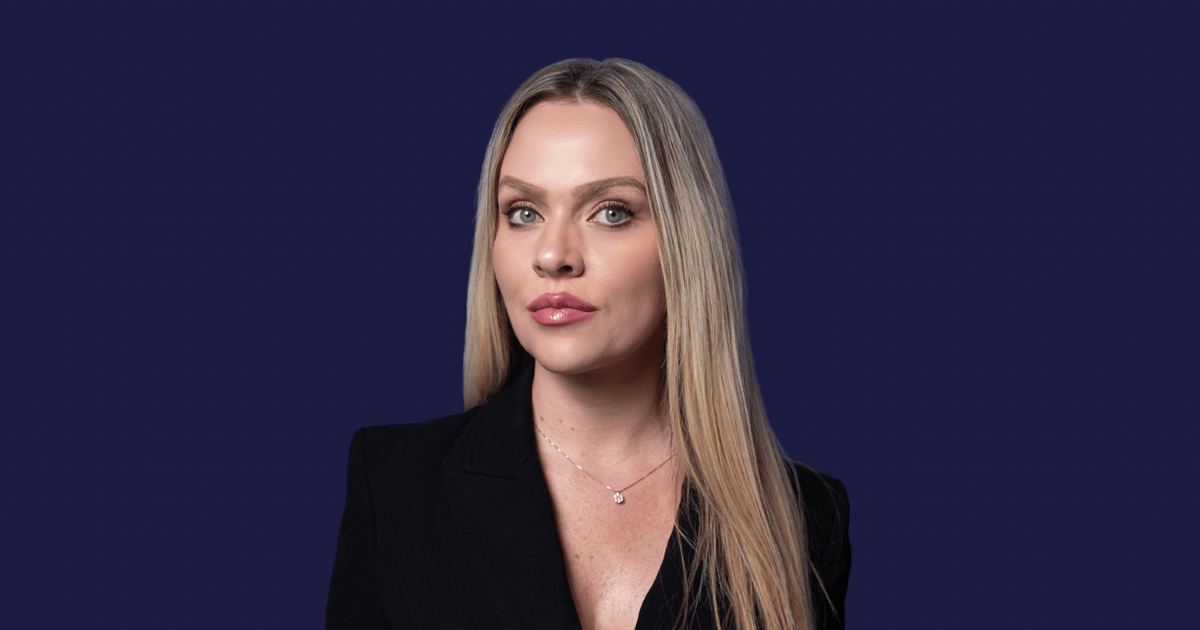
Con una trayectoria que combina ventas, marketing y branding, Chloe von Brockdorff lidera hoy la estrategia comercial de SiGMA Group, organizador de algunas de las cumbres de iGaming más influyentes del mundo. En esta entrevista con la Revista Casino, reflexiona sobre los criterios para ingresar a nuevos mercados, las diferencias culturales y comerciales que obligan a adaptar cada evento, y los límites a la hora de sumar industrias como la inteligencia artificial, el fintech o el marketing de afiliados.
Trayectoria profesional y liderazgo
1. Su trayectoria combina ventas, marketing y branding. ¿Qué aprendió de esas áreas que hoy aplica al vender algo más complejo que un espacio de exhibición: una plataforma de negocios y relaciones para la industria?
Creo que la mayor lección es que las personas no necesariamente compran lo que uno vende. Compran lo que creen que eso puede hacer por ellas.
Las ventas enseñan a escuchar. El marketing enseña a entender a tu audiencia, y el branding, a comprender que la confianza toma tiempo en construirse. Necesitas las tres cosas cuando trabajas en una industria como la nuestra.
Un expositor en realidad no está comprando metros cuadrados en un piso de exhibición. Está invirtiendo en acceso a un mercado, posibles alianzas, nuevos clientes y relaciones que pueden tardar meses en desarrollarse.
Y es algo que siento con mucha convicción. Podemos crear el entorno y reunir a las personas adecuadas, pero el verdadero valor surge de lo que ocurre entre ellas.
A veces una conversación en uno de nuestros eventos no lleva a nada de inmediato. Luego esas mismas personas se vuelven a encontrar en otra parte del mundo y, de pronto, surge una oportunidad.
Por eso veo nuestro rol como algo mucho más grande que vender espacios de exhibición. Ayudamos a las personas a construir relaciones que pueden convertirse en negocios.
Estrategia de negocios y expansión global
2. Como Chief Commercial Officer de SiGMA Group, ¿cuál ha sido la decisión comercial más difícil que ha tomado y qué le enseñó sobre el crecimiento de la empresa?
Creo que algunas de las decisiones comerciales más difíciles son aquellas en las que no existe un resultado perfecto. Para mí, el crecimiento es más que ingresos. También tiene que ver con las relaciones, la reputación y la confianza que se construye con los clientes a lo largo del tiempo.
Hay ocasiones en las que debes tomar una decisión que quizá no entregue el resultado comercial inmediato que deseas, porque tienes que considerar el panorama general y el valor a largo plazo de esa relación.
Creo que el crecimiento no puede medirse únicamente por cuánto se vende o qué tan rápido se expande uno. El crecimiento sostenible proviene de saber qué representas, proteger tu credibilidad y entender que las relaciones que construyes hoy pueden ser más valiosas que los ingresos que obtengas mañana.
En última instancia, el liderazgo comercial consiste en equilibrar la ambición con el criterio. No todas las decisiones serán fáciles ni dejarán contentos a todos, pero debes ser capaz de respaldar el razonamiento que hay detrás.
3. Cuando SiGMA ingresa a un nuevo mercado, ¿qué señales le indican que realmente está listo para una cumbre internacional? ¿Qué pesa más: el tamaño, la regulación, la madurez de los operadores o la demanda del mercado?
Hay que mirar el panorama completo. Un mercado grande no significa automáticamente que esté listo para una cumbre internacional, y un mercado más pequeño no debería descartarse necesariamente.
La regulación es obviamente importante. Si el marco normativo no es claro, genera incertidumbre para operadores, inversionistas y proveedores. Pero también observaría si existe una comunidad empresarial genuina que se esté desarrollando alrededor de la industria.
¿Los operadores buscan socios? ¿Hay empresas internacionales interesadas en ingresar? ¿Existe demanda de servicios de tecnología, pagos, cumplimiento normativo y afiliados? Y, algo importante, ¿los actores locales quieren ser parte de esa conversación?
Se necesita ese compromiso local. No podemos llegar a un país con un modelo de evento internacional y suponer que funcionará exactamente igual que en otro lugar.
Para mí, la demanda es probablemente la señal más fuerte, pero debe estar respaldada por las condiciones de mercado adecuadas y por relaciones locales.
En definitiva, nuestro trabajo es estar donde la industria nos necesita. Eso no siempre significa ir al mercado más grande, sino ir donde realmente podamos ayudar a que los negocios sucedan.
Una nueva generación de eventos
4. Tras trabajar en mercados muy distintos, ¿qué diferencias culturales o comerciales realmente exigen que SiGMA adapte su propuesta y cuáles factores son universales?
Creo que el mayor error sería suponer que, porque algo funciona en un mercado, simplemente se puede replicar en otro.
La forma en que las personas construyen relaciones, negocian y toman decisiones puede ser muy diferente. También existen regulaciones locales, distintos niveles de madurez de la industria y prioridades comerciales que cambian de una región a otra.
Lo que un operador espera de un evento en Latinoamérica puede ser muy distinto de lo que busca un operador europeo consolidado.
Ahí es donde escuchar a los socios locales se vuelve tan importante. Ellos entienden sus mercados de maneras que un organizador internacional no puede apreciar del todo desde afuera.
Pero hay cosas que son universales.
Las personas quieren conocer a las personas adecuadas. Quieren que su tiempo y su inversión valgan la pena. Quieren sentir que el organizador entiende su negocio.
Y, por encima de todo, quieren trabajar con personas en las que confían.
Creo que eso es lo que conecta nuestros eventos, sin importar dónde se realicen. Adaptamos la experiencia al mercado, pero la importancia de las relaciones humanas no cambia.
5. SiGMA reúne iGaming con inteligencia artificial, Web3, fintech, mercados financieros y marketing de afiliados. ¿Cómo decide qué nuevas verticales fortalecen la propuesta y cuáles podrían diluir su identidad?
Es una pregunta válida, porque no se pueden seguir agregando industrias y esperar que todo encaje.
Para mí, el punto de partida es si existe una conexión comercial genuina entre las audiencias.
Tomemos el iGaming y la tecnología financiera. Los operadores dependen de soluciones de pago, prevención de fraude, verificación de identidad y tecnología cada vez más sofisticada. Los afiliados trabajan en múltiples sectores, mientras que la IA ya está cambiando la forma en que operan las empresas.
Así que existen superposiciones naturales.
Con AIBC, FX.world y Affiliate Grand Slam, estamos reuniendo comunidades que tienen su propia identidad, pero que también pueden beneficiarse de conocerse entre sí.
Roma es probablemente nuestro ejemplo más claro de ese enfoque, con cuatro verticales accesibles con una sola entrada.
Pero no querría agregar algo simplemente porque sea una industria de moda. Tiene que tener sentido para quienes asisten.
La pregunta que siempre me haría es si estamos creando más oportunidades para nuestros clientes o solo haciendo el evento más grande.
Si se trata solo de tamaño, entonces estamos perdiendo el punto.
6. Tras la primera edición de SiGMA Norteamérica en Ciudad de México, ¿qué fue lo que más le sorprendió desde el punto de vista comercial y qué cambiaría en una próxima edición?
Creo que lanzarse en un mercado nuevo siempre te recuerda lo importantes que son las relaciones locales.
Puedes llegar con una marca internacional consolidada, un equipo comercial sólido y experiencia organizando eventos en todo el mundo. Pero eso no reemplaza entender cómo funcionan realmente los negocios en el mercado al que ingresas.
México fue especialmente interesante por la oportunidad de conectar a empresas internacionales con el ecosistema local de juegos.
Trabajar con organizaciones y empresas que ya conocen el mercado es increíblemente importante. Les da a los participantes internacionales un mejor punto de partida y nos ayuda a hacer el evento más relevante para las empresas locales.
Para futuras ediciones, querría analizar muy de cerca la calidad de esas conexiones. ¿Estábamos reuniendo a los tomadores de decisiones adecuados? ¿Tuvieron las empresas locales suficientes oportunidades de reunirse con socios internacionales? ¿Y dónde podríamos hacer esas presentaciones de manera más efectiva?
No creo que la primera edición de ningún evento deba tratarse como un producto terminado.
Uno aprende, escucha a sus clientes y regresa con algo mejor.
Tendencias del mercado y futuro
7. Para SiGMA World 2026 en Roma se esperan más de 30,000 delegados, más de 1,200 expositores y patrocinadores, y 65 autoridades reguladoras. A esta escala, ¿cómo se asegura de que el crecimiento en volumen siga generando más valor para los participantes?
Creo que esas cifras son emocionantes, por supuesto. Pero la cantidad de personas en una sala significa muy poco si no son las personas que necesitas conocer.
Hemos sido muy conscientes de eso con Roma. Es nuestro evento más ambicioso hasta la fecha y, con cuatro verticales reunidas, el reto es lograr que la experiencia funcione para distintos tipos de participantes.
Tomamos muy en serio los comentarios sobre el transporte de nuestra edición anterior en Roma, porque algo tan básico como llegar al recinto puede afectar toda la experiencia.
No solo pensamos en cuántas personas podemos llevar a Roma. Pensamos en lo que sucede una vez que llegan.
Para mí, el crecimiento solo significa algo si cada cliente sigue viendo valor en ser parte de él.
8. Más allá del número de eventos, expositores o asistentes, ¿qué tendría que lograr SiGMA en tres años para que usted considere exitosa su expansión internacional?
Querría que nuestros clientes vieran a SiGMA como un socio en su crecimiento internacional, y no simplemente como un organizador con el que contratan espacio de exhibición una o dos veces al año.
Si una empresa ingresa a un nuevo mercado y SiGMA la ha ayudado a conocer a las personas adecuadas, entender la industria local y desarrollar relaciones que con el tiempo se traducen en negocios, ese es un resultado significativo.
También querría que mantuviéramos el lado personal de lo que hacemos.
A medida que las organizaciones crecen, se vuelve muy fácil enfocarse en sistemas, procesos y números. Son importantes, naturalmente, pero no podemos perder las relaciones que hicieron que las personas quisieran trabajar con nosotros desde el principio.
Dentro de tres años, me gustaría ver comunidades regionales más sólidas, más relaciones comerciales desarrollándose a lo largo de nuestros eventos y clientes que sigan eligiendo a SiGMA porque realmente ven el valor.
También implicaría saber cuándo adaptar nuestra estrategia, en particular a medida que cambian la regulación y las condiciones del mercado.
Si seguimos escuchando a nuestros clientes, respondiendo a lo que la industria necesita y conectando a las personas de manera significativa, creo que vamos en la dirección correcta.
Chloe von Brockdorff of SiGMA Group: “Our job is to be where the industry needs us”
With a background spanning sales, marketing, and branding, Chloe von Brockdorff currently leads the commercial strategy for SiGMA Group—the organizer of some of the world’s most influential iGaming summits. In this interview with Revista Casino, she reflects on the criteria for entering new markets, the cultural and commercial nuances that necessitate tailoring each event, and the considerations involved in incorporating sectors such as artificial intelligence, fintech, and affiliate marketing.
Career path and leadership
1. Your career combines sales, marketing, and branding. What did you learn from those areas that you now apply to selling something more complex than exhibition space: a business and relationship platform for the industry?
I think the biggest lesson is that people don’t necessarily buy what you’re selling. They buy what they believe it can do for them.
Sales teaches you to listen. Marketing teaches you to understand your audience, and branding teaches you that trust takes time to build. You need all three when you’re working in an industry like ours.
An exhibitor isn’t really buying square metres on an exhibition floor. They’re investing in access to a market, potential partnerships, new clients and relationships that might take months to develop.
And that’s something I feel quite strongly about. We can create the environment and bring the right people together, but the real value comes from what happens between them.
Sometimes a conversation at one of our events doesn’t lead anywhere immediately. Then those same people meet again in another part of the world, and suddenly there’s an opportunity.
That’s why I see our role as much bigger than selling exhibition space. We’re helping people build relationships that can turn into business.
Business strategy and global expansion
2. As Chief Commercial Officer of SiGMA Group, what has been the most difficult commercial decision you have made, and what did it teach you about the company’s growth?
I think some of the most difficult commercial decisions are the ones where there is no perfect outcome. For me, growth is about more than revenue. It is also about relationships, reputation and the trust you build with clients over time.
There are times when you have to make a decision that may not deliver the immediate commercial result you want, because you have to consider the bigger picture and the long-term value of that relationship.
I believe that growth cannot be measured purely by how much you sell or how quickly you expand. Sustainable growth comes from knowing what you stand for, protecting your credibility, and understanding that the relationships you build today can be more valuable than the revenue you secure tomorrow.
Ultimately, commercial leadership is about balancing ambition with judgement. Not every decision will be easy, and not every decision will make everyone happy, but you have to be able to stand behind the reasoning behind it.
3. When SiGMA enters a new market, what signals tell you that it is genuinely ready for an international summit? What matters most: size, regulation, operator maturity, or market demand?
You have to look at the whole picture. A large market doesn’t automatically mean it’s ready for an international summit, and a smaller market shouldn’t necessarily be overlooked.
Regulation is obviously important. If the framework is unclear, that creates uncertainty for operators, investors and suppliers. But I’d also look at whether there’s a genuine business community developing around the industry.
Are operators looking for partners? Are international companies interested in entering? Is there demand for technology, payments, compliance and affiliate services? And importantly, do local stakeholders want to be part of that conversation?
You need that local engagement. We can’t arrive in a country with an international event model and assume it will work exactly as it did somewhere else.
For me, demand is probably the strongest signal, but it needs to be supported by the right market conditions and local relationships.
Ultimately, our job is to be where the industry needs us. That doesn’t always mean going to the biggest market. It means going where we can genuinely help business happen.
A new generation of events
4. After working across very different markets, what cultural or commercial differences genuinely require SiGMA to adapt its proposition, and which factors are universal?
I think the biggest mistake would be assuming that because something works in one market, you can simply replicate it somewhere else.
The way people build relationships, negotiate and make decisions can be very different. You also have local regulations, different levels of industry maturity and commercial priorities that change from one region to another.
What an operator wants from an event in Latin America may be quite different from what an established European operator is looking for.
That’s where listening to local partners becomes so important. They understand their markets in ways that an international organiser can’t fully appreciate from the outside.
But some things are universal.
People want to meet the right people. They want their time and investment to be worthwhile. They want to feel that the organiser understands their business.
And above everything, they want to work with people they trust.
I think that’s what connects our events, regardless of where they take place. We adapt the experience to the market, but the importance of human relationships doesn’t change.
5. SiGMA brings together iGaming with artificial intelligence, Web3, fintech, financial markets, and affiliate marketing. How do you decide which new verticals strengthen the proposition and which could dilute its identity?
It’s a fair question, because you can’t just keep adding industries and expect everything to fit together.
For me, the starting point is whether there’s a genuine commercial connection between the audiences.
Take iGaming and financial technology. Operators depend on payment solutions, fraud prevention, identity verification and increasingly sophisticated technology. Affiliates work across multiple sectors, while AI is already changing how companies operate.
So there are natural overlaps.
With AIBC, FX.world and Affiliate Grand Slam, we’re bringing together communities that have their own identities but can also benefit from meeting one another.
Rome is probably our clearest example of that approach, with four verticals accessible through one ticket.
But I wouldn’t want to add something simply because it’s a fashionable industry. It needs to make sense for the people attending.
The question I would always ask is whether we’re creating more opportunities for our clients or just making the event bigger.
If it’s only about size, then we’re missing the point.
6. Following the first edition of SiGMA North America in Mexico City, what surprised you most from a commercial perspective, and what would you change in a future edition?
I think launching in a new market always reminds you how important local relationships are.
You can arrive with an established international brand, a strong commercial team, and experience organising events around the world. But that doesn’t replace understanding how business actually works in the market you’re entering.
Mexico was particularly interesting because of the opportunity to connect international companies with the local gaming ecosystem.
Working with organisations and businesses that already understand the market is incredibly important. It gives international participants a better starting point and helps us make the event more relevant to local companies.
For future editions, I’d want to look very closely at the quality of those connections. Were we bringing together the right decision-makers? Did local companies have enough opportunities to meet international partners? And where could we make those introductions more effective?
I don’t think the first edition of any event should be treated as a finished product.
You learn, you listen to your clients, and you come back with something better.
Market trends and future
7. For SiGMA World 2026 in Rome, more than 30,000 delegates, over 1,200 exhibitors and sponsors, and 65 regulatory authorities are expected. At this scale, how do you ensure that growth in volume continues to create more value for participants?
I think those numbers are exciting, of course. But the number of people in a room means very little if they’re not the people you need to meet.
We’ve been very conscious of that with Rome. It’s our most ambitious event to date, and with four verticals coming together, the challenge is making sure the experience works for different types of participants.
We took the feedback about transport from our previous Rome edition very seriously, because something as basic as getting to the venue can affect the entire experience.
We’re not just thinking about how many people we can bring to Rome. We’re thinking about what happens once they arrive.
For me, growth only means something if the individual client continues to see value in being part of it.
8. Beyond the number of events, exhibitors, or attendees, what would SiGMA need to achieve within three years for you to consider its international expansion successful?
I’d want our clients to see SiGMA as a partner in their international growth, not simply an organiser they book exhibition space with once or twice a year.
If a company enters a new market and SiGMA has helped it meet the right people, understand the local industry and develop relationships that eventually lead to business, that’s a meaningful result.
I’d also want us to maintain the personal side of what we do.
As organisations grow, it becomes very easy to focus on systems, processes and numbers. Those are important, naturally, but we can’t lose the relationships that made people want to work with us in the first place.
Three years from now, I’d like to see stronger regional communities, more business relationships developing across our events and clients who continue to choose SiGMA because they genuinely see the value.
It would also mean knowing when to adapt our strategy, particularly as regulation and market conditions change.
If we’re still listening to our clients, responding to what the industry needs and connecting people in a meaningful way, then I think we’ll be moving in the right direction.