




















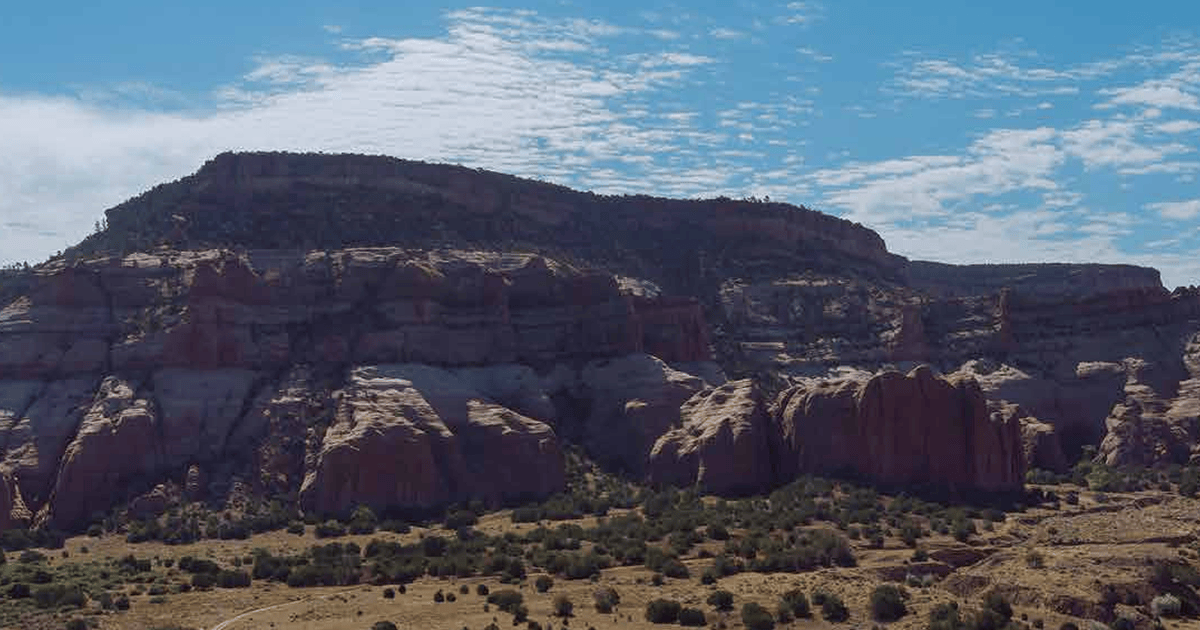
Mucho antes de los hoteles, casinos y espectáculos, los manantiales de Springs Preserve dieron origen al asentamiento que más tarde se convertiría en Las Vegas. Hoy este oasis conserva la memoria natural, histórica y cultural del lugar donde nació la ciudad.
Entre senderos desérticos, jardines y antiguos manantiales se encuentra Springs Preserve, un espacio natural y cultural a pocos minutos del famoso Strip de Las Vegas. En este oasis, donde el silencio reemplaza el incesante ritmo de una ciudad que nunca parece dormir, se conserva el paisaje que hizo posible el nacimiento de una de las urbes más sorprendentes del planeta.
El inicio de la historia moderna
Hace miles de años, los manantiales naturales que brotaban de la tierra transformaron el paisaje del desierto de Mojave, el desierto más árido de Norteamérica, en un oasis. El agua atrajo a animales, plantas y, sobre todo, a los primeros habitantes de la región, que encontraron en el valle un lugar donde establecerse, cazar, recolectar alimentos y desarrollar una profunda relación espiritual con la tierra y el agua, un recurso escaso y sagrado en el desierto.
Siglos después, en 1829, el explorador mexicano Antonio Armijo, mientras buscaba una ruta comercial entre Santa Fe y Los Ángeles, llegó hasta el suroeste de Estados Unidos. Al descubrir las abundantes fuentes de agua y los prados verdes que los rodeaban, bautizó el lugar como Las Vegas, que en español significa “las praderas” o “los terrenos fértiles”.
El nombre permaneció y marcaría el inicio de la historia moderna, el contraste perfecto entre el vértigo de la ciudad y el apacible reposo de una reserva natural en medio del desierto. Con la llegada del ferrocarril a comienzos del siglo XX, la pequeña estación ferroviaria fue creciendo hasta convertirse en una comunidad permanente y, en 1905, nació oficialmente la ciudad de Las Vegas.
La importancia del agua
El agua fue el verdadero motor de una urbe que hoy desafía al desierto con millones de habitantes y visitantes cada año. Actualmente, Springs Preserve protege más de 70 hectáreas destinadas a la conservación ambiental, la educación y la preservación de la memoria histórica.
Sus jardines botánicos reúnen cientos de especies de plantas nativas adaptadas a las extremas condiciones del desierto, demostrando que la belleza también florece entre cactus, agaves, yucas y flores silvestres y espinosas que cambian con las estaciones.
El anfiteatro Springs Preserve es el único espacio íntimo al aire libre de Las Vegas, rodeado de museos y jardines. Además, alberga exposiciones del Museo Estatal de Nevada que narran el desarrollo de la ciudad y la historia natural de la región.
La experiencia de Springs Preserve
Los senderos invitan a recorrer humedales, miradores y paisajes donde aún es posible observar aves migratorias, conejos del desierto y otras especies que encuentran refugio en este oasis urbano, mientras paneles interpretativos explican la geología del valle, la importancia del agua y los retos de la conservación natural en una de las regiones más áridas de Norteamérica.
Nature Exchange es una pequeña exhibición ubicada en el Centro de Vida del Desierto. Aunque está dirigida principalmente a niños, también invita a los adultos a participar en un espacio de aprendizaje basado en el intercambio de objetos naturales e información sobre ellos, despertando el interés por el entorno y su conservación.
En este valle se puede dar un paseo, mientras se observa la fascinante danza de las mariposas en su hábitat, junto a las plantas que las sustentan, y su importante papel como polinizadoras en el ecosistema.
La experiencia de Springs Preserve continúa en sus museos interactivos, donde la ciencia y la historia dialogan mediante exposiciones inmersivas. Los visitantes pueden conocer cómo se formó el desierto de Mojave, descubrir fósiles de animales prehistóricos, comprender el crecimiento de Las Vegas y participar en actividades sobre energías renovables, reciclaje y el uso responsable del agua.
Una poderosa relación entre el hombre y el desierto
Entre este paisaje natural y los rascacielos que se levantan a pocos kilómetros, uno de los espacios más llamativos es el recorrido por las antiguas áreas de los manantiales, donde aún pueden apreciarse vestigios del ecosistema que permitió el nacimiento de Las Vegas.
El murmullo del agua que brotó de la tierra hace siglos sigue siendo la principal fuente de vida de este oasis, que se revela como el lugar donde nació una de las ciudades más famosas del mundo y permite comprender la verdadera identidad del sur de Nevada.
Este oasis, considerado la cuna de Las Vegas, demuestra que el destino de una ciudad puede nacer de un manantial y de la capacidad del ser humano para convivir con uno de los ecosistemas más extremos del planeta, que invita a mirar el desierto con otros ojos.
Más que una reserva ecológica, Springs Preserve es un espacio donde naturaleza, historia y educación convergen para explicar cómo el agua transformó el desierto y dio origen a una de las ciudades más famosas del mundo. Sus senderos, jardines y museos recuerdan que, antes del brillo del Strip, existió un oasis cuyo legado sigue vivo y continúa contando la historia que hizo posible el milagro de Las Vegas.
Springs Preserve: the birthplace of Las Vegas
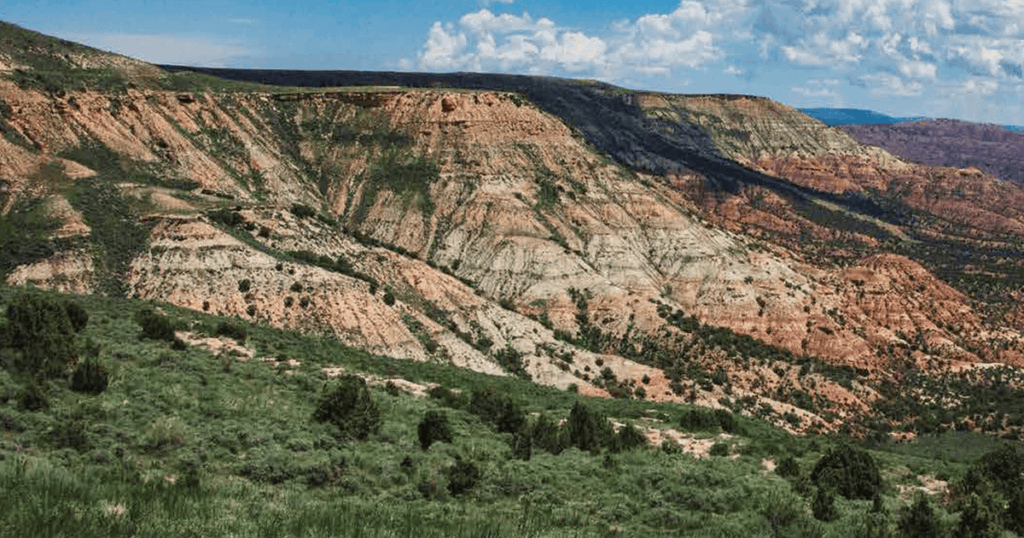
Long before the hotels, casinos and spectacular shows, the springs at Springs Preserve gave rise to the settlement that would eventually become Las Vegas. Today, this oasis preserves the natural, historical and cultural heritage of the place where the city was born.
Among desert trails, gardens and ancient springs lies Springs Preserve, a natural and cultural destination just minutes from the famous Las Vegas Strip. In this oasis, where silence replaces the relentless pace of a city that never seems to sleep, the landscape that made the birth of one of the world’s most extraordinary cities possible has been preserved.
The beginning of modern history
Thousands of years ago, natural springs emerging from the ground transformed the landscape of the Mojave Desert—the driest desert in North America—into an oasis. The water attracted animals, plants and, above all, the region’s earliest inhabitants, who found in the valley a place where they could settle, hunt, gather food and develop a deep spiritual connection with the land and water, a scarce and sacred resource in the desert.
Centuries later, in 1829, Mexican explorer Antonio Armijo, while searching for a trade route between Santa Fe and Los Angeles, reached the southwestern United States. Upon discovering the abundant water sources and the green meadows surrounding them, he named the area Las Vegas, Spanish for “the meadows” or “the fertile lands.”
The name endured and would mark the beginning of the city’s modern history—a perfect contrast between the frenetic pace of the city and the peaceful retreat of a natural preserve in the middle of the desert. With the arrival of the railroad in the early 20th century, the small railway station grew into a permanent community, and in 1905, the City of Las Vegas was officially established.
The importance of water
Water was the true driving force behind a city that today challenges the desert, welcoming millions of residents and visitors every year. Today, Springs Preserve protects more than 70 hectares dedicated to environmental conservation, education and the preservation of the area’s historical heritage.
Its botanical gardens showcase hundreds of species of native plants adapted to the desert’s extreme conditions, demonstrating that beauty can also flourish among cacti, agaves, yuccas and wildflowers and thorny plants that change with the seasons.
The Springs Preserve Amphitheater is Las Vegas’ only intimate outdoor venue, surrounded by museums and gardens. It also hosts exhibitions from the Nevada State Museum that explore the city’s development and the natural history of the region.
The Springs Preserve experience
The trails invite visitors to explore wetlands, scenic overlooks and landscapes where migratory birds, desert rabbits and other species can still be observed as they find refuge in this urban oasis. Along the way, Interpretive panels explain the geology of the valley, the importance of water and the challenges of conserving nature in one of North America’s most arid regions.
Nature Exchange is a small exhibit located within the Desert Living Center. Although primarily designed for children, it also encourages adults to participate in a learning environment based on exchanging natural objects and information about them, sparking curiosity about the environment and its conservation.
Visitors can also take a walk while observing the fascinating dance of butterflies in their habitat, surrounded by the plants that sustain them and learning about their vital role as pollinators within the ecosystem.
The Springs Preserve experience continues in its interactive museums, were science and history come together through immersive exhibitions. Visitors can learn how the Mojave Desert was formed, discover fossils of prehistoric animals, understand the growth of Las Vegas and participate in activities focused on renewable energy, recycling and responsible water use.
A powerful relationship between people and the desert
Between this natural landscape and the skyscrapers rising just a few miles away, one of the most fascinating areas is the trail through the former spring sites, where remnants of the ecosystem that made the birth of Las Vegas possible can still be seen.
The sound of water emerging from the earth centuries ago remains the primary source of life for this oasis. Springs Preserve reveals itself as the place where one of the world’s most famous cities was born, offering a deeper understanding of the true identity of southern Nevada.
This oasis, considered the birthplace of Las Vegas, demonstrates how the destiny of a city can emerge from a spring—and from humanity’s ability to coexist with one of the planet’s most extreme ecosystems. It invites visitors to see the desert through different eyes.
More than an ecological preserve, Springs Preserve is a place where nature, history and education converge to explain how water transformed the desert and gave rise to one of the world’s most famous cities. Its trails, gardens and museums remind us that before the dazzling lights of the Strip, there was an oasis whose legacy remains alive, continuing to tell the story that made the Las Vegas miracle possible.