



















Los operadores replantean la distribución de sus salas ante nuevos hábitos de consumo y apuestan por espacios que integran juego, comodidad, interacción y entretenimiento.
Los operadores de Estados Unidos, Europa y Asia-Pacífico están replanteando el diseño de sus pisos de casino. Los nuevos proyectos reducen los pasillos ciegos, incorporan luz natural, crean zonas temáticas y convierten los sportsbooks en importantes polos de atracción dentro del complejo.
Detrás de esta transformación hay un perfil de jugador distinto, nuevas expectativas de consumo y planes de renovación que, en muchos casos, superan los cientos de millones de dólares.
Durante décadas, el diseño de un casino respondía a una lógica muy específica: prolongar la permanencia del visitante. Pasillos estrechos, techos bajos, ausencia de ventanas y relojes, además de extensas filas de tragamonedas sin una ruta evidente de salida, definieron un modelo que se consolidó a mediados del siglo XX y que aún predomina en numerosos establecimientos alrededor del mundo.
Operadores como Caesars, Wynn, MGM y diversos casinos regionales en Estados Unidos están apostando por espacios abiertos, recorridos más intuitivos y una integración cada vez mayor entre el juego, la gastronomía, los espectáculos y la oferta social. La razón va más allá de una decisión estética: el visitante actual ya no llega exclusivamente para apostar.
En muchos casos, primero busca compartir una comida, ver un evento deportivo, asistir a un espectáculo o participar en experiencias interactivas. El juego sigue siendo el eje del negocio, pero ahora forma parte de una experiencia mucho más amplia.
Zonas con identidad propia
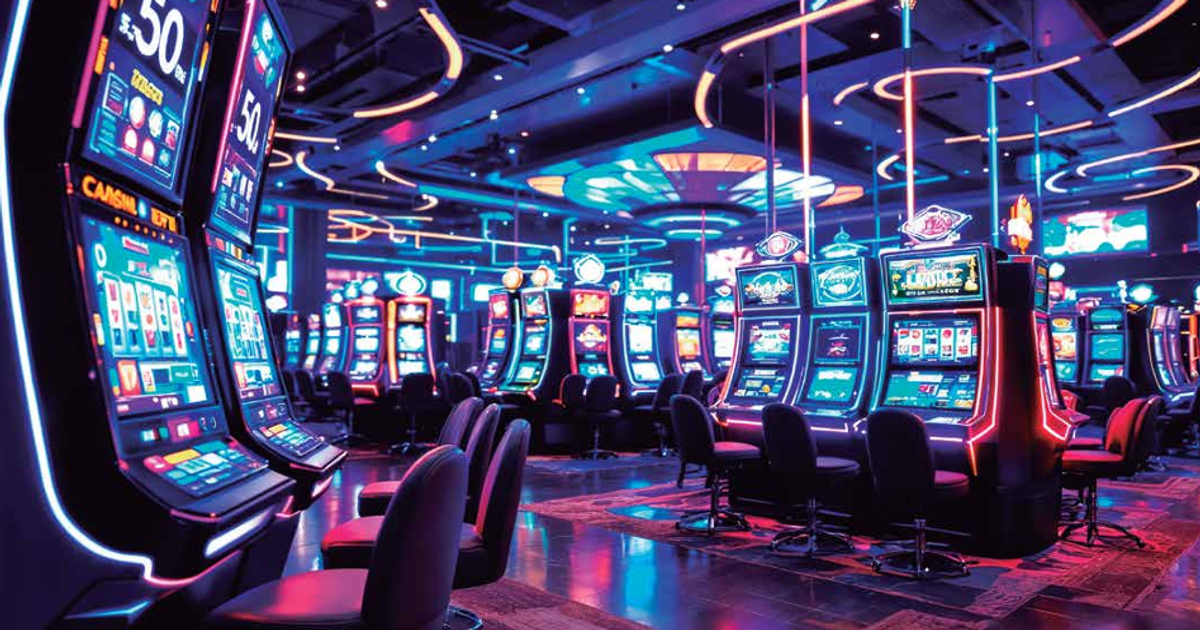
El cambio también se refleja en la forma en que se diseñan los pisos de casino. En lugar de distribuir las tragamonedas de manera uniforme, muchos operadores crean áreas temáticas dedicadas a franquicias reconocidas o a experiencias específicas.
Estas zonas diferenciadas permiten reunir propuestas pensadas para distintos perfiles de visitantes dentro de un mismo casino. La distribución busca, además, facilitar el recorrido entre las áreas de juego y otros espacios del complejo, antes, durante y después de apostar.
El objetivo ya no es únicamente distribuir las máquinas de manera eficiente, sino crear puntos de interés que ayuden a organizar el recorrido del visitante y conectar las distintas áreas del establecimiento. El mercado de tragamonedas también acompaña esta transformación. El sector global alcanzó aproximadamente US$16.800 millones en 2024 y podría superar los US$28.300 millones en 2034, según Global Market Insights. El crecimiento proyectado refleja, entre otros factores, la renovación de salas existentes y la incorporación de nuevos conceptos de juego.
Nuevo punto de encuentro
Las apuestas deportivas con centran buena parte de las inversiones más recientes de la industria. Los sportsbooks ganan espacio dentro de los casinos y adoptan formatos orientados a una experiencia más social.
En Las Vegas, complejos como Westgate SuperBook y Circa Sportsbook han apostado por instalaciones de gran formato, con pantallas gigantes, cientos de asientos y una oferta integrada de alimentos y bebidas que busca recrear el ambiente de un estadio durante los eventos deportivos.
Este modelo atrae a un perfil de visitante diferente al de la sala de tragamonedas tradicional: un público más joven, interesado en vivir la experiencia colectiva de un partido además de realizar apuestas. La estrategia de los operadores consiste en que el sportsbook funcione como una puerta de entrada al resto del complejo, incentivando a los visitan tes a recorrer el casino, consumir en restaurantes y participar en otras actividades de entretenimiento.
La lógica cambia: el espacio destinado a las apuestas deja de ser únicamente un lugar para realizar una transacción y se convierte en un punto de encuentro capaz de atraer visitantes y extender su permanencia dentro del complejo.
Lo que está en juego
La expansión del juego online añade otro factor a las decisiones sobre el espacio físico. Las plataformas digitales permiten apostar des de cualquier lugar y a cualquier hora, mientras que el casino presencial necesita ofrecer razones adicionales para atraer al visitante y ampliar su experiencia dentro del complejo.
En ese escenario, el diseño adquiere una función comercial: organizar mejor los recorridos, conectar distintas áreas del complejo y favorecer la interacción entre los visitan tes. La luz natural, la amplitud de los espacios, las zonas temáticas y la integración con restaurantes, bares y espectáculos pasan a formar parte de una propuesta que busca diferenciar la visita al casino.
Frente a la comodidad del juego digital, el espacio físico mantiene como principal diferencial aquello que ocurre dentro del establecimiento y requiere la presencia del público.
El casino presencial ya no compite únicamente con otros establecimientos. También compite por el tiempo y la atención de un visitante que tiene a su alcance múltiples alternativas de entretenimiento y puede acceder al juego desde una pantalla.
El nuevo reto del piso
La transformación del diseño refleja, en última instancia, un cambio más profundo en la industria. El casino ya no puede asumir que el jugador llegará únicamente para jugar. Debe ofrecer motivos adicionales para visitar el establecimiento, recorrerlo y permanecer en él.
Por eso, el nuevo piso de juego se parece cada vez menos a una superficie dedicada exclusivamente a las apuestas y más a un espacio de entretenimiento integrado.
El desafío para los operadores será encontrar el equilibrio entre esa nueva experiencia y la función esencial del casino: hacer que el juego siga siendo visible, accesible y atractivo sin perderse dentro de una oferta cada vez más amplia.
El piso de juego cambia porque también cambió la razón por la que el visitante entra en él.
The gaming floor evolves to attract new audiences
Operators are rethinking the layout of their gaming floors in response to changing consumer habits, creating spaces that integrate gaming, comfort, interaction and entertainment.
Operators in the United States, Europe and Asia-Pacific are rethinking the design of their casino gaming floors. New projects are reducing blind corridors, incorpo rating natural light, creating themed areas and turning sportsbooks into major attractions within the resort.
Behind this transformation are a different player profile, new con sumer expectations and renova tion plans that, in many cases, in volve investments of hundreds of millions of dollars.
For decades, casino design fol lowed a very specific logic: keeping visitors on the property for as long as possible. Narrow corridors, low ceil ings, the absence of windows and clocks, and long rows of slot ma chines without an obvious route to the exit defined a model that became established in the mid-20th century and still prevails in many casinos around the world.
Operators such as Caesars, Wynn and MGM, along with nu merous regional casinos across the United States, are embracing open spaces, more intuitive layouts and an increasingly integrated approach to gaming, dining, entertainment and social offerings. The reason goes be yond aesthetics: today’s visitor is no longer coming exclusively to gamble.
In many cases, they first want to share a meal, watch a sporting event, attend a show or take partin interactive experiences. Gaming remains at the heart of the busi ness, but it is now part of a much broader experience.
Spaces with a distinct identity
The shift is also reflected in the way casino gaming floors are de signed. Rather than distributing slot machines uniformly, many op erators are creating themed areas dedicated to well-known franchis es or specific experiences.
These differentiated zones make it possible to bring togeth er offerings designed for different visitor profiles within the same casino. The layout also aims to facilitate movement between gaming areas and other parts of the prop erty before, during and after play.
The objective is no longer simply to distribute machines efficiently, but to create points of interest that help shape the visitor journey and connect the different areas of the property.
The slot machine market is also supporting this transformation. The global market reached approximately US$16.8 billion in 2024 and could exceed US$28.3 billion by 2034, ac cording to Global Market Insights. The projected growth reflects, among other factors, the renovation of exist ing gaming floors and the introduc tion of new gaming concepts.
A new gathering place
Sports betting accounts for a sig nificant share of the industry’s most recent investments. Sportsbooks are gaining space within casinos and adopting formats designed around a more social experience.
In Las Vegas, venues such as Westgate SuperBook and Circa Sportsbook have invested in large scale facilities featuring giant screens, hundreds of seats and integrated food-and-beverage offerings de signed to recreate the atmosphere of a stadium during sporting events.
This model appeals to a different visitor profile from that of the tradi tional slot floor: a younger audience interested in experiencing the collec tive atmosphere of a game while also placing bets. Operators’ strategy is to position the sportsbook as a gateway to the rest of the property, encourag ing visitors to explore the casino, dine at restaurants and take part in other entertainment activities.
The logic is changing: the betting area is no longer simply a place to conduct a transaction. It is becoming a gathering point capable of attract ing visitors and extending their time within the property.
What is at stake
The expansion of online gam ing adds another factor to decisions about physical space. Digital platforms allow users to place bets from anywhere and at any time, while land-based casinos need to provide additional reasons to attract visitors and enhance their experience within the property.
In this environment, design takes on a commercial function: improving circulation, connecting different areas of the property and encouraging in teraction among visitors. Natural light, spacious layouts, themed areas and integration with restaurants, bars and entertainment venues are becoming part of a proposition designed to dif ferentiate the casino visit.
Against the convenience of digital gaming, the physical envi ronment’s main competitive ad vantage lies in what happens inside the property and requires the presence of the public.
Land-based casinos are no longer competing solely with other physical venues. They are also competing for the time and attention of visitors who have multiple entertainment options at their fingertips and can access gaming from a screen.
The new challenge for the gaming floor
The transformation in design ulti mately reflects a deeper shift within the industry. Casinos can no longer assume that players will come simply to gamble. They must offer additional reasons to visit, explore the property and stay longer.
As a result, the modern gaming floor increasingly resembles an inte grated entertainment environment rather than a space dedicated exclu sively to gambling.
The challenge for operators will be to strike a balance between this new experience and the casino’s es sential function: ensuring that gam ing remains visible, accessible and attractive without getting lost within an increasingly broad entertainment offering. The gaming floor is chang ing because the reason visitors enter it has changed as well.