

















La incorporación de Gaming Arts amplía el catálogo y las capacidades de MERKUR, que refuerza su presencia internacional y proyecta nuevas oportunidades de crecimiento.
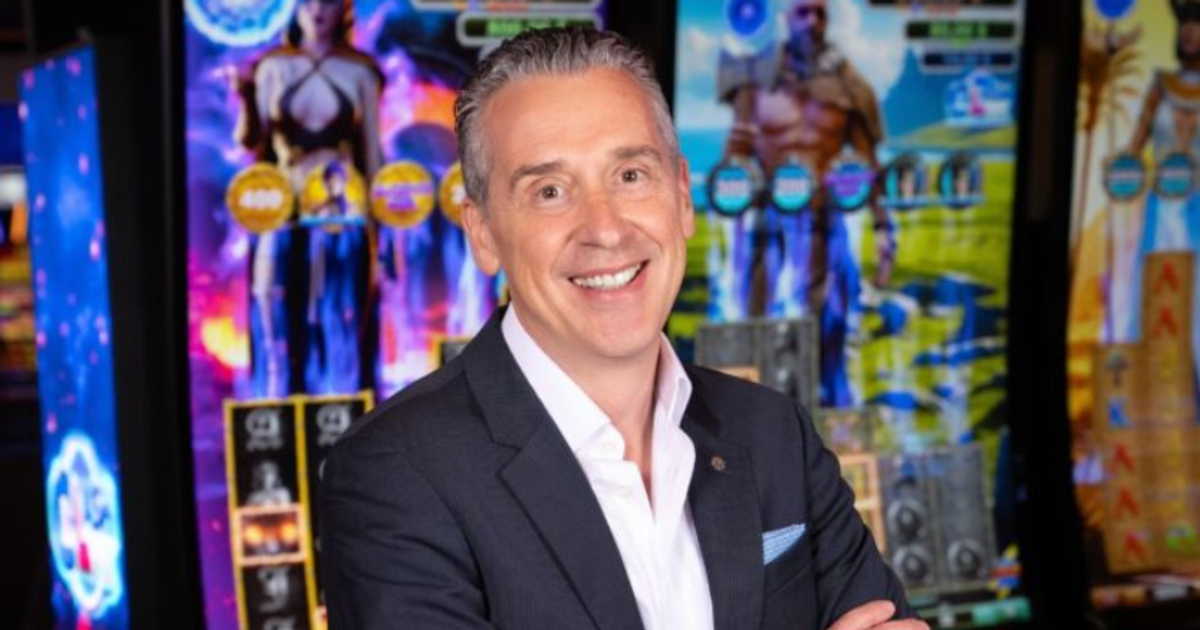
MERKUR llegará a G2E 2026 Las Vegas en plena transformación. La incorporación de Gaming Arts ha ampliado su capacidad de desarrollo y su catálogo internacional. Marcel Heutmekers, Senior Vice President de Merkur Games International, explica en la siguiente entrevista las oportunidades que abre esta nueva etapa y los desafíos que marcarán el futuro del casino presencial.
G2E Las Vegas 2026 será una de las primeras grandes vitrinas internacionales tras la incorporación de Gaming Arts al Grupo MERKUR. ¿Qué mensaje quiere transmitir la compañía en este momento de su evolución?
En la ICE 2026 presentamos una nueva MERKUR con una visión clara y una firme ambición para los próximos años. En la G2E volveremos a reforzar ese mensaje y a consolidar nuestra visión presentando con orgullo una sólida cartera que reúne los últimos e innovadores títulos de Gaming Arts, las nuevas y espectaculares propuestas de MERKUR y, por supuesto, el consolidado catálogo de Spintec. La transformación experimentada por la compañía en los últimos 12-18 meses ha sido extraordinaria y nos sentimos muy orgullosos del reconocimiento y el respaldo que la nueva MERKUR y nuestra dirección estratégica ya han recibido por parte de operadores de todo el mundo.
La integración de Gaming Arts ha generado gran expectativa en la industria. Más allá del mercado estadounidense, ¿qué oportunidades estratégicas abre esta operación para MERKUR a nivel global?
Gaming Arts no solo cuenta con un equipo excepcional que contribuirá a impulsar nuestro crecimiento en Estados Unidos, también dispone de unos sólidos departamentos de diseño, desarrollo y producto que fortalecen nuestro conocimiento y experiencia en todo el mundo. Además, todos los títulos más recientes de Gaming Arts son plenamente compatibles con las cabinas y plataformas actuales de MERKUR. Como resultado, nuestros equipos internacionales ya tienen acceso a una amplia y atractiva biblioteca de juegos que hemos comenzado a implantar en Europa y Latinoamérica durante los últimos meses.
MERKUR opera en regiones con culturas y regulaciones muy distintas. ¿Cómo logra mantener una identidad global sin perder la capacidad de adaptarse a cada mercado?
Nuestra identidad global se sustenta en una calidad constante, la innovación y unas relaciones duraderas con nuestros clientes. Al mismo tiempo, somos plenamente conscientes de que cada mercado presenta requisitos regulatorios y preferencias de los jugadores específicos. Por ello, combinamos nuestra experiencia internacional con un sólido enfoque local, colaborando estrechamente con los operadores para adaptar nuestros productos y soluciones a las necesidades concretas de cada mercado, sin renunciar a los elevados estándares que definen nuestra marca.
Durante los últimos años, el operador ha cambiado tanto como el jugador. ¿Qué nuevas exigencias observa hoy en quienes invierten en tecnología para sus salas?
Los operadores de casino han demostrado una notable capacidad de adaptación a los numerosos cambios y desafíos que ha afrontado la industria del juego en los últimos años. Sin embargo, el objetivo que impulsa sus inversiones permanece inalterado: siguen buscando productos que entretengan a sus usuarios, les permitan ofrecer la mejor experiencia posible al cliente y mejoren la eficiencia en todas sus salas de juego. Como proveedores, nuestra responsabilidad es evolucionar al mismo ritmo que el sector y desarrollar productos capaces de responder a esos tres objetivos. De este modo, ayudamos a los operadores a competir con éxito en un mercado cada vez más dinámico.
¿Qué mercados considera que liderarán el crecimiento del casino presencial durante la próxima década?
Creo que el crecimiento del juego presencial durante la próxima década procederá de una combinación de mercados maduros y emergentes. En Norteamérica, la inversión continuada en la modernización de los casinos, las experiencias de juego prémium y la eficiencia operativa impulsada por la tecnología seguirá sosteniendo el crecimiento. En Asia, los mercados con entornos regulatorios favorables y sectores turísticos en expansión continuarán siendo, previsiblemente, algunos de los principales motores del crecimiento. Al mismo tiempo, Europa y Latinoamérica seguirán ofreciendo atractivas oportunidades de desarrollo, gracias a la evolución de los marcos regulatorios y al incremento de la inversión, que favorecen la expansión del mercado.
Muchas veces se habla de innovación tecnológica, pero no siempre de innovación comercial. ¿Cómo ha evolucionado la relación entre fabricante y operador en los últimos años?
La relación entre fabricantes y operadores es hoy mucho más colaborativa que en el pasado. Actualmente, el éxito ya no depende únicamente de ofrecer nuevo hardware o nuevos contenidos de juego. Los operadores buscan socios estratégicos que comprendan su negocio, escuchen sus necesidades y les ayuden a obtener resultados medibles. Sin duda, la tecnología ha acelerado esta transformación. El análisis de datos, las soluciones sin efectivo, las salas de juego conectadas y las herramientas de servicios digitales han abierto nuevas oportunidades para mejorar tanto la experiencia del jugador como la eficiencia operativa.
Sin embargo, la tecnología por sí sola no es suficiente, ya que las colaboraciones más sólidas se construyen sobre la confianza, la cooperación y un compromiso compartido. Por ello, nos sentimos muy orgullosos y agradecidos por las relaciones que hemos construido con los operadores a lo largo de los años, así como por el respaldo que estamos recibiendo para hacer realidad nuestras nuevas ambiciones y planes de futuro.
Si tuviera que definir cuál será el mayor desafío de la industria mundial del gaming durante la próxima década, ¿cuál sería?
El mayor reto para la industria mundial del juego en la próxima década será encontrar el equilibrio entre innovación y sostenibilidad. Las expectativas de los usuarios seguirán evolucionando, la tecnología avanzará a un ritmo todavía mayor y los operadores afrontarán una presión creciente para invertir de forma inteligente mientras se adaptan a marcos regulatorios cambiantes y a unos costes operativos cada vez más elevados.
Para los fabricantes, el desafío consistirá en desarrollar unos productos que vayan más allá de exhibir la tecnología más reciente. La innovación debe aportar un valor real, mejorando la experiencia del jugador, incrementando la eficiencia operativa y proporcionando un sólido retorno de la inversión a los operadores.
Al mismo tiempo, será esencial atraer a la siguiente generación de jugadores. La industria deberá seguir evolucionando su oferta de entretenimiento sin renunciar a los más altos estándares de juego responsable, cumplimiento normativo y confianza de los jugadores. En última instancia, las empresas que lideren el futuro serán aquellas capaces de mantenerse ágiles, escuchar atentamente a sus clientes y centrarse en generar un valor sostenible a largo plazo, en lugar de apostar por la innovación únicamente por la innovación.
Marcel Heutmekers: MERKUR’s transformation over the past year has been extraordinary
The addition of Gaming Arts has expanded MERKUR’s portfolio and capabilities, strengthening its international presence and opening up new opportunities for growth.
MERKUR will arrive at G2E Las Vegas in the midst of a major transformation. The addition of Gaming Arts has expanded the company’s development capabilities and international portfolio. In this interview, Marcel Heutmekers, Senior Vice President of Merkur Games International, discusses the opportunities created by this new chapter and the challenges that will shape the future of land-based casino gaming.
G2E Las Vegas 2026 will be one of the first major international showcases following Gaming Arts’ addition to the MERKUR Group. What message does the company want to convey at this stage of its evolution?
At ICE 2026, we introduced a new MERKUR with a clear vision and a strong ambition for the years ahead. At G2E, we will reinforce that message and further consolidate our vision by proudly showcasing a strong portfolio that brings together Gaming Arts’ latest and most innovative titles, MERKUR’s new and exciting offerings and, of course, Spintec’s established portfolio.
The transformation the company has undergone over the past 12 to 18 months has been extraordinary, and we are extremely proud of the recognition and support that the new MERKUR and our strategic direction have already received from operators around the world.
The integration of Gaming Arts has generated considerable expectations across the industry. Beyond the US market, what strategic opportunities does the acquisition create for MERKUR globally?
Gaming Arts not only brings an exceptional team that will help drive our growth in the United States, but also strong design, development and product teams that enhance our knowledge and expertise worldwide.
In addition, all of Gaming Arts’ latest titles are fully compatible with MERKUR’s existing cabinets and platforms. As a result, our international teams now have access to an extensive and highly attractive library of games, which we have already begun rolling out across Europe and Latin America over the past few months.
MERKUR operates across regions with very different cultures and regulatory environments. How do you maintain a global identity while retaining the ability to adapt to individual markets?
Our global identity is built on consistent quality, innovation and long-term relationships with our customers. At the same time, we fully recognize that every market has its own regulatory requirements and player preferences.
That is why we combine our international expertise with a strong local approach, working closely with operators to adapt our products and solutions to the specific needs of each market, while never compromising the high standards that define our brand.
Over the past few years, operators have changed as much as players have. What new demands are you seeing today from those investing in technology for their gaming floors?
Casino operators have demonstrated a remarkable ability to adapt to the many changes and challenges the gaming industry has faced in recent years. However, the objective behind their investments remains unchanged: they continue to look for products that entertain their customers, enable them to deliver the best possible player experience and improve efficiency across their gaming floors.
As suppliers, it is our responsibility to evolve at the same pace as the industry and develop products capable of addressing all three objectives. In doing so, we help operators compete successfully in an increasingly dynamic market.
Which markets do you believe will lead the growth of land-based gaming over the next decade?
I believe land-based gaming growth over the next decade will come from a combination of mature and emerging markets.
In North America, continued investment in casino modernization, premium gaming experiences and technology-driven operational efficiency will continue to support growth. In Asia, markets with favorable regulatory environments and expanding tourism sectors are likely to remain among the key engines of growth.
At the same time, Europe and Latin America will continue to offer attractive development opportunities, driven by evolving regulatory frameworks and increased investment that are supporting market expansion.
Innovation is often discussed in technological terms, but commercial innovation receives less attention. How has the relationship between manufacturers and operators evolved in recent years?
The relationship between manufacturers and operators is far more collaborative today than it was in the past. Success is no longer determined solely by the ability to offer new hardware or new gaming content. Operators are looking for strategic partners who understand their business, listen to their needs and help them deliver measurable results.
Technology has undoubtedly accelerated this transformation. Data analytics, cashless solutions, connected gaming floors and digital service tools have created new opportunities to enhance both the player experience and operational efficiency.
However, technology alone is not enough. The strongest partnerships are built on trust, cooperation and a shared commitment. That is why we are extremely proud of, and grateful for, the relationships we have built with operators over the years, as well as for the support we are receiving as we bring our new ambitions and future plans to life.
If you had to identify the greatest challenge facing the global gaming industry over the next decade, what would it be?
The greatest challenge for the global gaming industry over the next decade will be finding the right balance between innovation and sustainability. Customer expectations will continue to evolve, technology will advance at an even faster pace, and operators will face increasing pressure to invest intelligently while adapting to changing regulatory frameworks and rising operating costs.
For manufacturers, the challenge will be to develop products that go beyond simply showcasing the latest technology. Innovation must deliver genuine value by enhancing the player experience, increasing operational efficiency and providing operators with a strong return on investment.
At the same time, attracting the next generation of players will be essential. The industry will need to continue evolving its entertainment offering while maintaining the highest standards of responsible gaming, regulatory compliance and player trust.
Ultimately, the companies that lead the future will be those that remain agile, listen carefully to their customers and focus on creating sustainable long-term value, rather than pursuing innovation for innovation’s sake.